Beyond Portland
The statewide goal
Pass science-based personal cultivation and use allowances for natural psychedelics across Oregon.
Portland is where we started, because a city is where neighbors can reach their government. On September 30, 2026, City Council passed the Portland Psychedelic Health & Safety Act, 10 to 0. But a city can only go so far, and the people this policy is meant to reach do not all live inside city limits.
Why this matters
Oregon voters have already made two decisions about psychedelics, and both were serious attempts at a hard problem.
In 2020, Measure 109 created the country’s first state-regulated psilocybin services program. It works, and other states are now copying it.
But regulated services were never going to be the whole picture. They are expensive, rarely covered by insurance, and by design they only serve people who go through a licensed facilitator.
Then, in 2024, HB 4002 changed Measure 110 in response to the fentanyl crisis. That was a real crisis and a real response. But in the process, the Legislature inadvertently removed protections that had applied to psychedelics, substances with a very different risk profile than the ones the bill was written to address.
So here is where Oregon actually stands: tens of thousands of people are growing, gathering, and gifting natural psychedelics every year, and state law offers them no education, no safety guidance, and no reason to ask anyone for help.
That is the gap. Closing it is the goal.
What “science-based” means here
“Science-based” is doing real work in that sentence, so let us be specific about it.
- Thresholds grounded in research, not intuitionAny statewide allowance should define personal quantities using the actual pharmacology and the actual patterns of how people use these plants, not a number picked because it sounds cautious.
- Harm reduction as the organizing principleThe evidence on drug policy is consistent: approaches that destigmatize use help people make safer choices, let them disclose to their doctors, and build bridges to health services rather than walls. Approaches built on prosecution do the opposite.
- Plain about contraindicationsNatural psychedelics are not safe for everyone in every context. Certain medical and psychiatric conditions, certain medications, and certain settings raise real risk. A science-based policy says that out loud and funds the education to back it up, rather than leaving people to guess in private.
- Non-commercial, stillEverything we advocate for concerns personal, non-commercial cultivation, possession, and gifting. We are not asking the state to create a new retail market.
What Portland does, and where a city’s power stops
The Portland Psychedelic Health & Safety Act, adopted by City Council on September 30, 2026, makes personal, non-commercial use of natural psychedelics among the City of Portland’s lowest law enforcement priorities. Public education and harm reduction are the work we take up next, starting with the Guide.
What it cannot do is change state law. Natural psychedelics remain illegal at the state and federal level for personal use, and a city cannot legalize what the state prohibits. A city can decide what its own officers prioritize. That is meaningful, and it is the ceiling.
So the limits are real:
- The policy stops at the city line. Cross into a neighboring jurisdiction and none of it applies.
- It does not change what happens in state courts.
- It does not reach the majority of Oregonians, who do not live in Portland.
A statewide allowance is how you address the actual scope of the thing.
What Colorado’s experience shows
Oregon is not the only state that has tried to work this out, and we do not have to reason from first principles.
Colorado’s approach paired a regulated therapeutic program with personal-use allowances for natural psychedelics, the two coexisting rather than competing. The relevant lesson for Oregon is structural: a personal-use allowance does not have to undermine a regulated services program. They answer different questions for different people, and a state can do both.
That matters here because the most common objection we hear to a statewide allowance is that it would undercut Measure 109. The experience next door suggests otherwise.
The pathway
- 2026, PortlandCouncil held the first reading on September 23 and passed the Act on September 30, 2026, 10 to 0. Every councilor present voted yes. The vote and the ordinance are in the official City record. The work now is to build a track record of safety and education a state legislator can point to.
- 2027, the LegislatureOregon’s 2027 legislative session is the realistic window for a statewide bill, and we have asked a state senator to carry a bill concept for that session. Between now and then the work is coalition-building, public education, and getting the policy language right.
- Throughout, the evidencePortland’s implementation, documented plainly, produces exactly the kind of local record that makes a statewide case concrete rather than theoretical.
We are being straightforward that this is a multi-year effort. Anyone telling you a statewide change happens quickly is selling something.
How to help
The statewide goal is won or lost on whether there is a visible, credible constituency for it. That is built one name at a time, starting now.
- Share the Guide. Portland passed the Act. Public education comes next, and our harm reduction guide is where it starts.
- Get updates. When the statewide work has something concrete, draft language, a hearing, a call for testimony, the newsletter is where it goes first.
- Talk to people outside Portland. This is the one thing we genuinely cannot do without you. A statewide effort needs people in Bend, Eugene, Medford, Astoria, and everywhere between.
- Give. Multi-year policy work needs a funding base that lasts more than one news cycle.
Contributions to Portland Psychedelic Society Action Fund, a 501(c)(4) nonprofit organization, are not tax-deductible.
The Oregon horizon
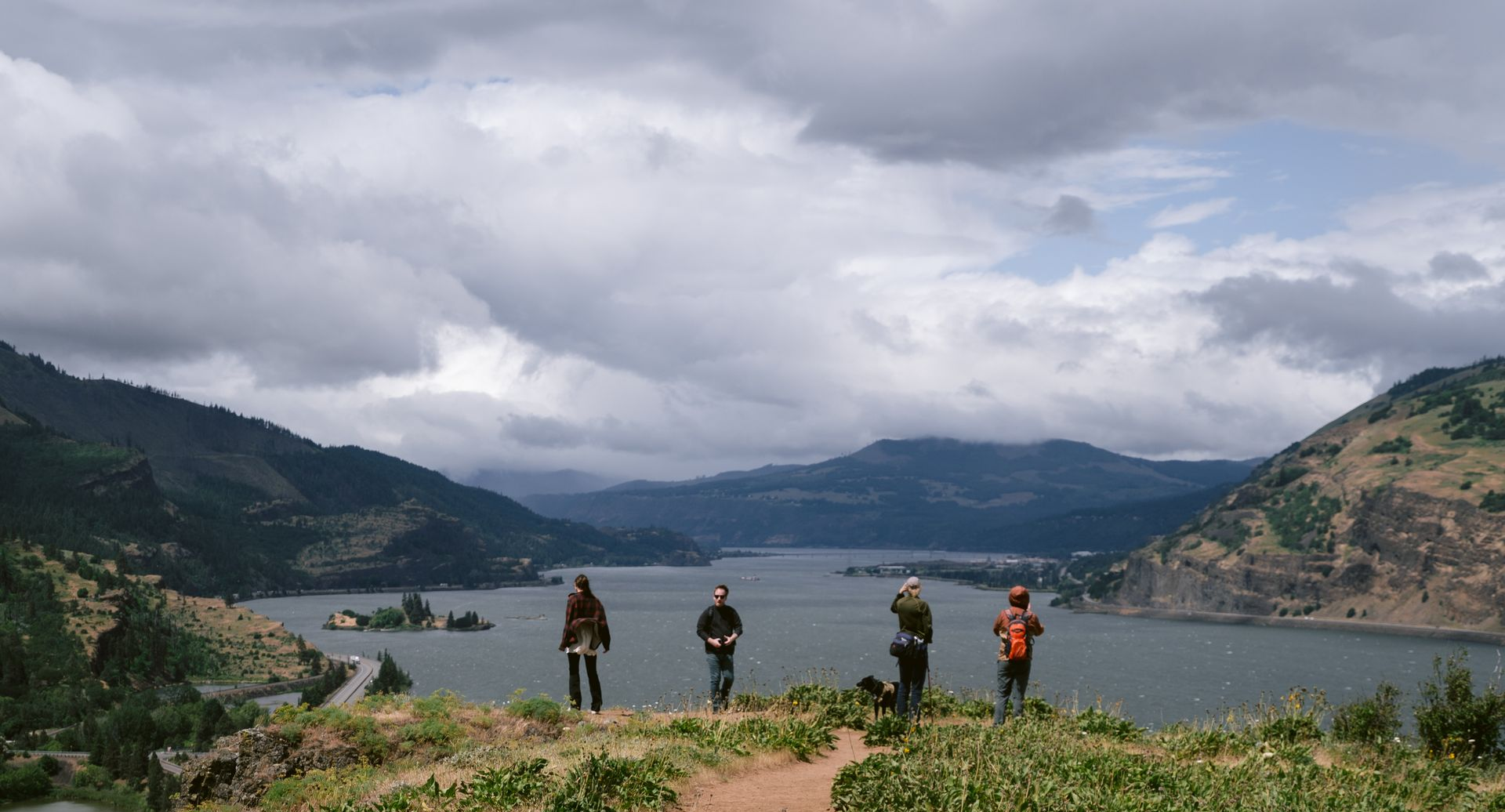
This is the state we are working for.
September 30, 2026
It passed, 10 to 0
Portland City Council adopted the Psychedelic Health & Safety Act. Every councilor present voted yes. See what passed and what comes next.